Best Time to Buy a New Car in 2026 | Save More on Your Next Vehicle
Last updated May 18th, 2026The best time to buy a new car is usually at the end of the year, especially in December, when dealerships are focused on hitting annual sales goals and clearing out older inventory. Buyers can also find strong savings opportunities during the end-of-quarter sales periods, holiday promotions, and the final days of each month when dealerships are more motivated to negotiate.
In this guide, you’ll learn:
- The best months to buy a new car
- Why December often delivers the biggest discounts
- How do end-of-month and end-of-quarter sales impact pricing
- The best time to buy SUVs, trucks, and EVs
- How financing rates and inventory levels affect deals
- Smart strategies to maximize savings in 2026
Understanding how dealership incentives, inventory cycles, and seasonal demand affect pricing can help buyers make more informed decisions and potentially save thousands on their next vehicle purchase.
Find Your Best Price
See what others paid and get upfront pricing from local dealers.

What Is the Best Time to Buy a New Car?
The best time to buy a new car is typically at the end of the year, especially in December, when dealerships are working to hit annual sales goals and clear outgoing inventory. Buyers can also find strong deals at the end of each quarter, during major holiday sales events, and at the end of the month when sales teams are more motivated to close deals.
Timing your new car purchase strategically can save you thousands of dollars and help you access better incentives, financing offers, and inventory selection. Car prices fluctuate throughout the year based on dealer quotas, manufacturer incentives, seasonal demand, and inventory levels.
Savvy buyers can take advantage of year-end clearance events, quarterly sales pushes, and seasonal promotions to maximize savings and strengthen their negotiating power. As of 2026, these timing patterns remain especially important as dealership inventory levels continue to stabilize and manufacturers increase promotional activity across many vehicle categories.
Whether you are shopping for a family SUV, fuel-efficient sedan, electric vehicle, or pickup truck, understanding when to buy can make a major difference in overall value.
Understanding the Impact of Timing on New Car Purchases
Car prices are not static. They shift throughout the year due to supply and demand cycles, dealership sales targets, new model launches, and manufacturer incentive programs.
A car-buying season refers to periods when dealer discounts, rebates, or inventory surpluses create stronger savings opportunities for shoppers. During these windows, dealerships are often more willing to negotiate pricing, increase trade-in offers, or provide financing specials.
The financial impact of timing your purchase correctly can be substantial. Year-end discounts can sometimes reach 10% or more off MSRP, particularly in December when dealerships work aggressively to meet annual goals. For example, a vehicle with a $35,000 sticker price could potentially sell closer to $31,500 during peak discount periods.
Timing also affects inventory selection. During clearance events, buyers often gain access to outgoing model years at reduced prices, while peak shopping periods may bring tighter inventory and less negotiating flexibility.
Using AutoFinder can help you track pricing trends across dealerships and identify opportunities before inventory changes.
Best Times of Year to Buy a New Car
Strategic timing can make the difference between paying full price and securing meaningful savings on your next vehicle.
The automotive sales calendar follows predictable cycles that create opportunities for buyers who plan ahead. These windows are often tied to dealership sales quotas, inventory turnover, and manufacturer incentive schedules.
End of the Year Deals in December
December is widely considered the best month to buy a new car.
Dealerships are under pressure to meet annual sales targets while clearing outgoing inventory before the new year begins. This creates one of the strongest negotiating environments for buyers.
The final week of December is often especially competitive, with dealerships offering deep discounts to finalize year-end numbers.
Popular vehicles that may see stronger discounts include:
- Outgoing model years
- Overstocked SUVs and trucks
- Slow-moving luxury sedans
- Vehicles with high dealer inventory
In some cases, a vehicle priced at $36,000 may sell for less than $32,000 during aggressive clearance periods.
The combination of dealer markdowns, manufacturer incentives, financing specials, and inventory reduction goals creates ideal buying conditions.
Quarterly Sales Quotas: March, June, and September
Dealerships also operate on quarterly sales cycles, making the ends of March, June, and September excellent times to negotiate.
Sales teams often become more flexible during the final days of each quarter as they work toward bonus targets and manufacturer performance incentives.
Buyers shopping during these periods may find:
- Larger dealer discounts
- Additional trade in flexibility
- Promotional financing offers
- Manager specials on aging inventory
The best strategy is usually shopping during the final 3 to 5 days of these months when urgency is highest.
March can be especially valuable because it often overlaps with spring model launches and dealer inventory transitions.
Holiday Sales Events Worth Watching
Holiday weekends are another strong opportunity for buyers.
Manufacturers frequently launch special incentives during major sales events, including:
- Memorial Day
- Fourth of July
- Labor Day
- Black Friday
- Presidents Day
These promotions may include cash rebates, low APR financing, lease specials, or bonus trade-in offers.
While holiday marketing can sound aggressive, buyers should still compare pricing carefully using tools like AutoFinder to confirm the discounts represent real value.
Best Month to Buy a New Car
While December is usually considered the strongest month overall for car buying, several times throughout the year can offer meaningful savings depending on your goals.
December tends to deliver the biggest discounts because dealerships are trying to hit annual sales targets while clearing out remaining inventory before the new year. Buyers shopping during the final weeks of December may find stronger negotiation opportunities, manufacturer rebates, and clearance pricing on outgoing models.
March is another strong buying window because it marks the end of the first sales quarter and often overlaps with spring inventory transitions. Dealers may become more flexible on pricing as they work toward quarterly goals.
June can also create favorable conditions for shoppers looking for midyear promotions or financing specials. During this period, dealerships are often balancing summer demand with inventory management goals.
September is especially important for buyers interested in outgoing model year vehicles. As next year’s inventory begins arriving on lots, dealers frequently reduce pricing on older inventory to make room for newer models.
Holiday weekends throughout the year can also provide opportunities for savings. Events like Memorial Day, Labor Day, Presidents’ Day, and Black Friday often feature promotional financing, lease specials, or manufacturer cash incentives.
For shoppers focused on maximizing value, the best strategy is usually combining seasonal timing with end-of-month or end-of-quarter shopping periods when dealerships are most motivated to close deals.
Best Day of the Week to Buy a Car
The day you shop can also affect your experience and negotiating leverage.
Mondays, Tuesdays, and Wednesdays are often quieter at dealerships compared to weekends. Lower showroom traffic means sales staff may spend more time working with individual buyers and responding to pricing requests.
Midweek shopping may also help buyers avoid high-pressure weekend environments where inventory moves faster and dealerships feel less urgency to negotiate.
Starting conversations online through AutoFinder before visiting the dealership can help you compare offers more efficiently and save time once you arrive.
Worst Time to Buy a New Car
Some periods are generally less favorable for buyers.
High demand seasons can reduce dealer flexibility and limit discounts, including:
- Early spring shopping surges
- Tax refund season
- New model release periods
- Busy holiday weekends without inventory pressure
Buying immediately after a redesigned model launch can also lead to higher pricing because demand often outpaces supply.
If possible, avoid rushing into purchases during periods of limited inventory or elevated demand.
Best Time to Buy SUVs, Trucks, and EVs
Different vehicle categories follow slightly different pricing trends throughout the year.
SUVs and Family Vehicles
SUV pricing often becomes more competitive toward the end of summer and during year-end clearance periods when dealerships need to reduce inventory before new models arrive.
Pickup Trucks
Truck incentives frequently appear during major holiday sales events and quarter-end promotions, especially on full-size models with high inventory levels.
Electric Vehicles
Electric vehicles have unique timing considerations because federal tax credits, state incentives, and manufacturer rebates can change frequently.
As of 2026, EV buyers should monitor:
- Federal tax credit eligibility
- State and local rebate deadlines
- Manufacturer incentive programs
- Home charging rebates
- Lease-specific EV offers
Average EV prices remain higher than traditional gas-powered vehicles, making incentive timing especially important for affordability.
Stacking multiple incentives together can significantly reduce total ownership costs.
What Car Buyers Should Know in 2026
The automotive market continues evolving in 2026, creating new opportunities and challenges for buyers.
Several trends are shaping pricing and incentives this year:
- Dealer inventory levels have improved compared to previous years
- Manufacturer incentives are becoming more competitive
- Interest rates remain elevated compared to pre-pandemic levels
- EV pricing continues to adjust as competition increases
- Some brands are aggressively discounting overstocked inventory
For buyers, this means timing matters even more.
While higher financing costs can increase monthly payments, stronger dealer incentives and improved inventory conditions may help offset some of those expenses.
Comparing financing offers, monitoring dealer inventory, and staying flexible on trim levels can help buyers maximize value in the current market.
Strategies to Maximize Savings When Buying a New Car
Buying at the right time is only part of the equation.
Successful buyers combine good timing with preparation, pricing research, and negotiation strategy.
Research Pricing and Market Trends
Understanding fair market value is essential before entering negotiations.
Use AutoFinder alongside pricing tools like Kelley Blue Book to compare:
- Local pricing trends
- Dealer inventory levels
- Incentive availability
- Similar vehicle listings
This helps buyers identify genuine deals versus inflated pricing presented as promotions.
Monitor Dealer Inventory Levels
High inventory levels usually create stronger negotiating conditions.
Dealerships with excess inventory are often more motivated to reduce pricing and offer additional incentives to move vehicles quickly.
Use AutoFinder’s search filters to compare availability across multiple dealerships and identify overstocked models in your area.
Get Financing Pre-Approval
Pre-approval can simplify negotiations and improve confidence during the buying process.
Benefits include:
- Faster purchase timelines
- Better budgeting clarity
- Stronger negotiating position
- Ability to compare dealer financing offers
With interest rates remaining relatively high in 2025 and 2026, comparing financing options is just as important as negotiating vehicle pricing.
Plan Around Dealer Sales Goals
The strongest negotiating opportunities usually happen when dealerships are focused on hitting targets.
Try to shop during:
- End-of-month periods
- End of quarter deadlines
- December year-end sales events
- Inventory clearance promotions
Being flexible on colors, trim levels, or available inventory can also unlock additional savings opportunities.
How Regional and Seasonal Trends Affect Car Pricing
Vehicle pricing can vary significantly depending on region and climate.
Examples include:
- All Wheel Drive vehicles often command higher prices in snowy regions
- Convertibles may carry premiums in warmer climates
- Truck demand can vary based on local industries and weather conditions
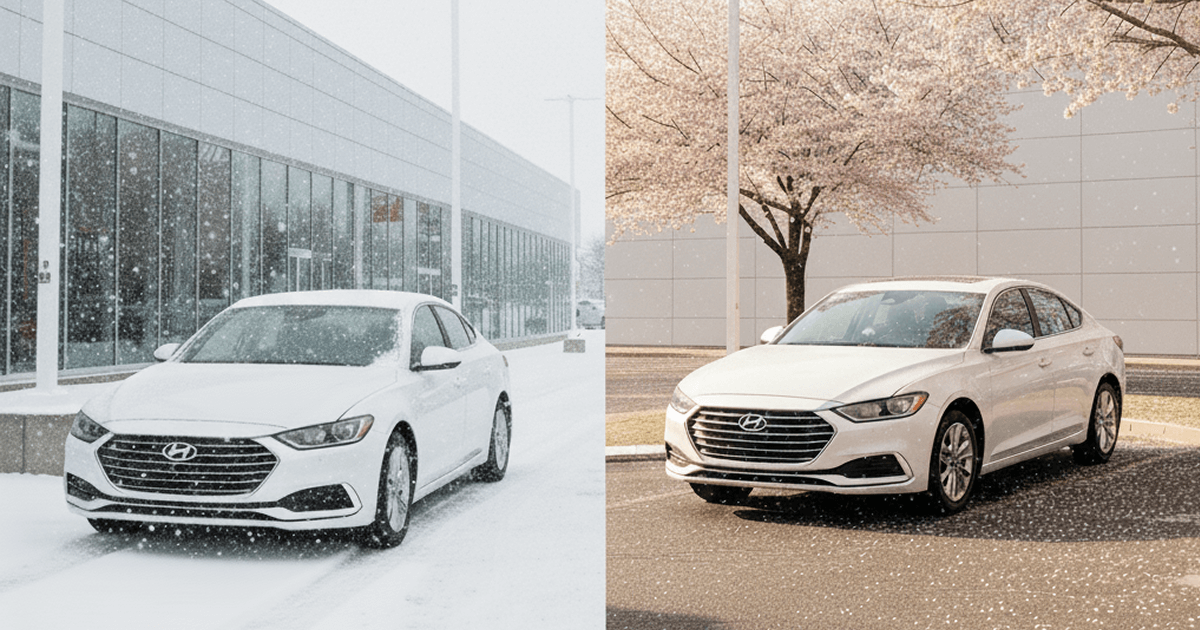
Seasonal demand also affects pricing. Dealerships often stock vehicles based on upcoming weather trends and regional preferences.
Using localized pricing tools helps buyers understand fair market value within their specific area.
Final Thoughts
The best time to buy a new car depends on your priorities, budget, and flexibility, but shoppers who plan strategically can often save thousands of dollars.
December remains the strongest overall buying period, while quarter-end deadlines, holiday promotions, and end-of-month sales pushes also create opportunities for better pricing.
By combining smart timing with market research, financing preparation, and inventory monitoring through AutoFinder, buyers can confidently compare deals and make more informed purchasing decisions.
Want More Car Buying Advice?
Add AutoFinder as a preferred source on Google to help you discover more of our automotive guides and research.
FAQs
Is December really the best month to buy a car?
In many cases, yes. December often delivers the strongest discounts because dealerships are working to meet annual sales goals and clear outgoing inventory.
What day of the week is best to buy a car?
Midweek days like Monday through Wednesday are often less busy and may provide better negotiating conditions.
Are holiday car sales actually cheaper?
Sometimes. Holiday promotions can include rebates or financing specials, but buyers should still compare prices carefully to verify the value of the offer.
Is it better to buy at the end of the month?
Yes. Dealerships are often more motivated to close deals during the final days of the month to reach sales quotas.
When do dealerships lower prices the most?
Prices tend to become more competitive during year-end clearance events, quarter-end deadlines, and periods of high inventory.
Should I wait for next year’s models?
Waiting can make sense if you want the newest technology or redesigns, but outgoing models often provide stronger discounts and better overall value.
Featured Articles


Related Articles



The information provided in this article is for general informational purposes only and may change over time. Vehicle pricing, availability, specifications, incentives, financing terms, interest rates, and other details may vary by vehicle, dealer, lender, location, and individual circumstances. AutoFinder does not guarantee the accuracy or availability of information provided by third parties. Always confirm current vehicle details, pricing, terms, and eligibility directly with the participating dealer or appropriate provider before making a purchase or financial decision.